[Unpad Media Channel] Universitas Padjadjaran, along with Universitas Udayana Bali, has initiated the establishment of the Indonesia-India Bioresources Consortium (IIBC) in partnership with Jawaharlal Nehru University (India). This consortium aims to facilitate research collaboration and manage biological resources. Unpad will lead this initiative, focusing on developing joint research efforts that include bioresource gap analysis and addressing strategic needs pertinent to both countries.
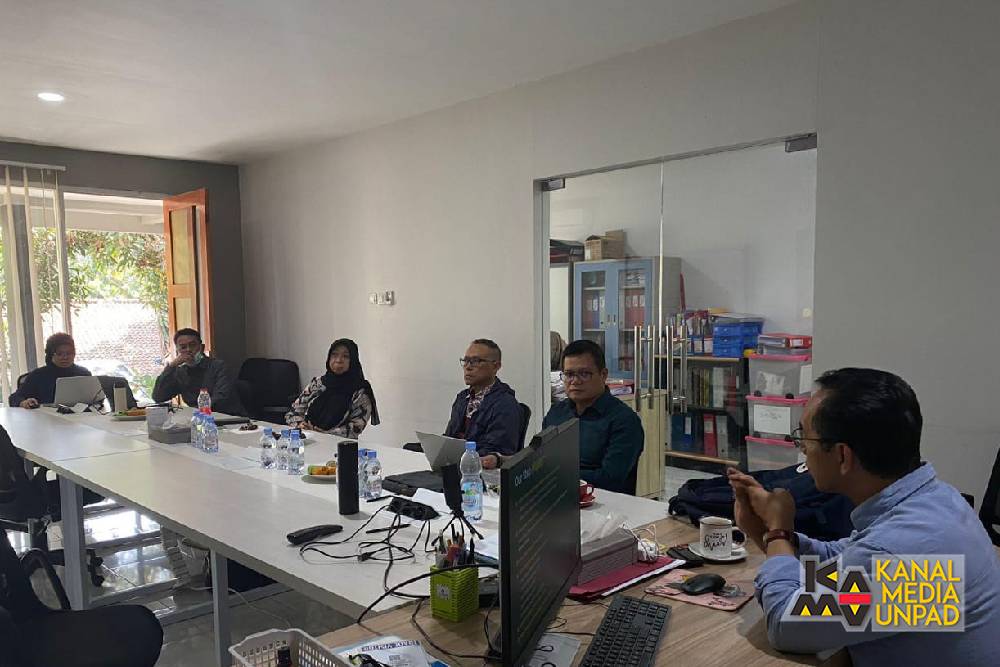
Discussions on the strategic steps required to realize the IIBC were held at Unpad’s Center of Excellence in Science and Techonology for Higher Educatioan Finder at Unpad Jatinangor on Friday, October 18th, 2024. Previously, on October 1st, 2024, the Unpad and Udayana teams met with the Indian Ambassador to Indonesia, Shri Sandeep Chakravorty, at the Indian Embassy in Jakarta to discuss the IIBC. The Ambassador expressed enthusiastic support, affirming India’s commitment to collaborating with Indonesia on the consortium’s formation.
“This collaboration presents significant opportunities for technology development and innovation in the bioresources sector. We hope to see greater contributions from Indonesian researchers and students,” said Prof. I Made Joni, Head of Finder Unpad.
Moreover, Prof. Wawan Hermawan, an expert from Unpad who was involved in the project, emphasized the importance of strengthening academic aspects to ensure the project’s success. According to him, initial steps should focus on deepening academic involvement and establishing a strong scientific foundation.
Discussions also covered bioresource product development to ensure market acceptance. Health expert from Unpad, Dr. Lia Faridah, recommended that bioresource products, such as herbal remedies and supplements, be positioned as dietary supplements to improve public acceptance. This is due to lingering stigmas associated with herbal medicine in Indonesia’s healthcare sector. Additionally, establishing a national Bio-Bank is vital for safeguarding Indonesia’s biodiversity. A Bio-Bank would ensure that the DNA of national flora and fauna is securely managed and not exported without stringent regulation.
Strategic issues discussed in the second meeting at Unpad Jatinangor included work record models and analyses, stakeholder analysis to understand stakeholder roles and influence, an external conditions analysis of other countries as part of the international market development strategy, and strategic analysis encompassing various research findings and data collected.
Support from India
At the meeting held at the Indian Embassy in Jakarta, the Unpad team included Prof. I Made Joni, Prof. Wawan Hermawan, and Prof. Camellia Panatarani. Prof. Ni Luh Watiniasih from Universitas Udayana and Tri Yudianto from the Yellow Earth Foundations were also present. The discussion highlighted the need to involve various universities and NGOs in Indonesia and India in the IIBC project.
The Indian Ambassador also proposed organizing seminars and workshops to share knowledge and address bioresource issues. He further supported a visit by an Indonesian delegation in early 2025 to meet strategic stakeholders in India and offered Indian Council for Cultural Relations (ICCR) scholarships for master’s and doctoral studies in bioresources.
The collaboration between Indonesia and India through the IIBC represents a promising strategic step with substantial potential for supporting bioresource innovation and management in both countries. With full support from the Indian government, leading academics, and industry players, this project is expected to make a significant impact on the development of bioresource technology and markets, not only nationally but also on the international stage. (Release from Finder Unpad/SA)*