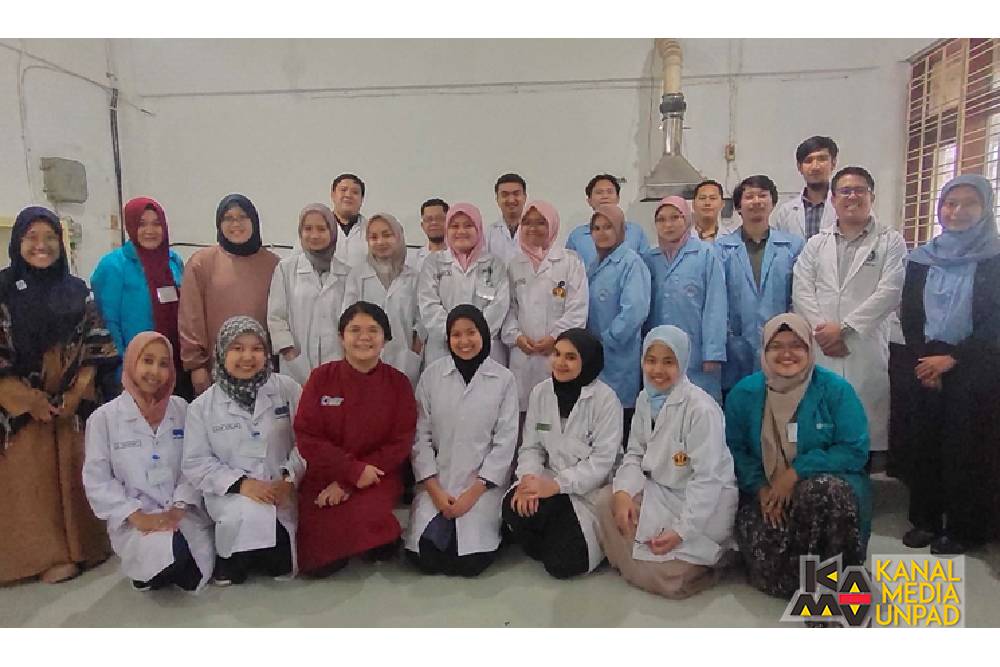
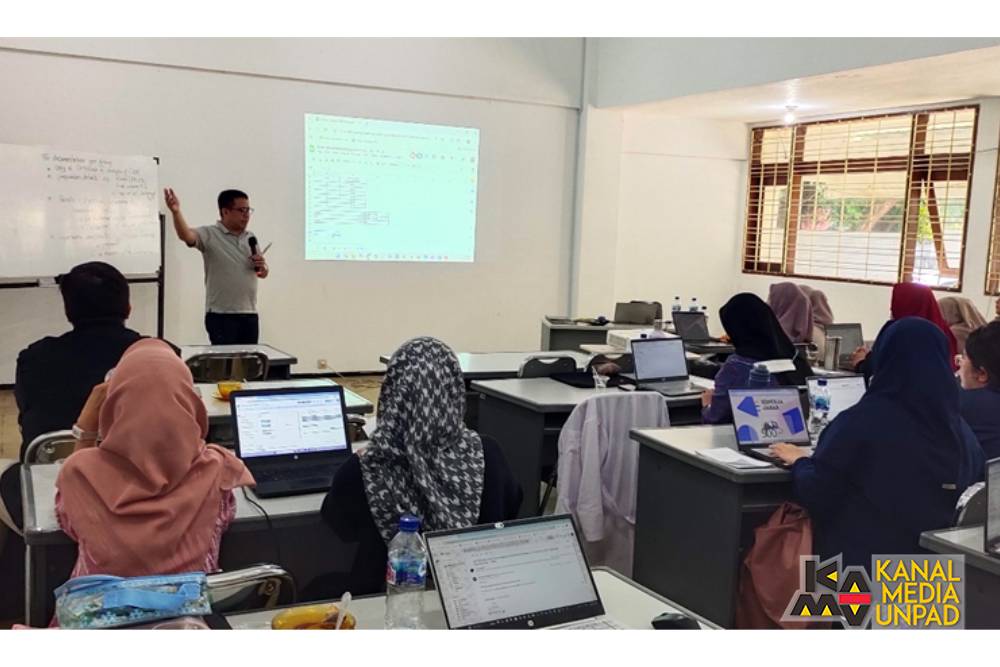
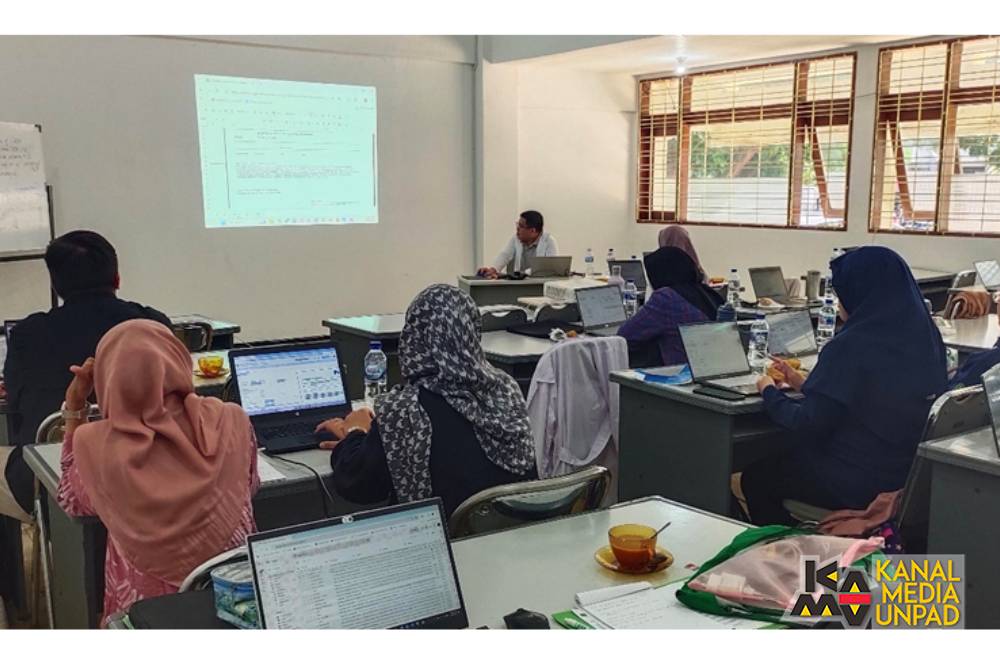
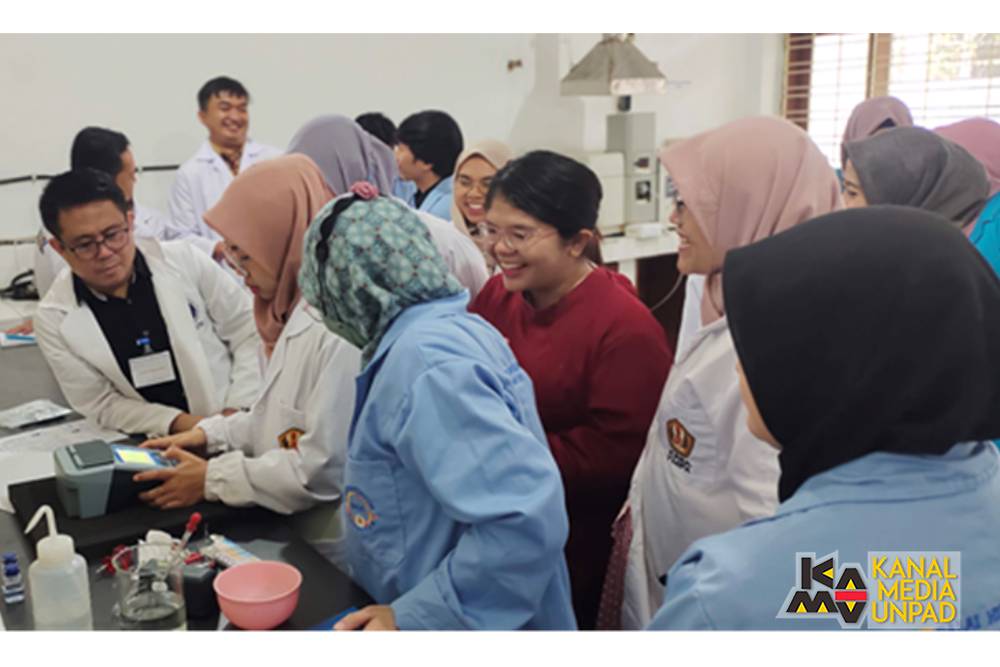
[Unpad Media Channel] The Center for Environment and Sustainability Science (CESS) of Universitas Padjadjaran has once again demonstrated its global role by hosting the Practical Quality Control Training. In collaboration with Physikalisch-Technische Bundesanstalt (PTB), a German metrology institute, the training took place from December 16th to 18th, 2024, at CESS Unpad in Bandung, featuring leading experts who provided participants with valuable knowledge and hands-on experience.
“This training is important because often training sessions focus only on theory. This time, participants had the opportunity to practice directly in the laboratory,” said Jana Koerner, PTB representative, in her opening speech.
Furthermore, the Coordinator of CESS Unpad Laboratory, Candra Wirawan Arief said that this was the second time CESS Unpad had collaborated with PTB to conduct such training. This training represents CESS Unpad’s commitment to supporting the improvement of laboratory analysts’ resources, particularly in monitoring water quality.
Thirty participants, including environmental laboratory analysts from Bandung, representatives from the Environmental Agency, and the National Standardization Agency (BSN), received direct guidance from Assoc. Prof. Ian Ken Dimzon of Ateneo de Manila University, Philippines. During the training, Ian appreciated the participants’ enthusiasm in both the theoretical sessions and practical laboratory analysis. As a follow-up, Ian assigned individual tasks to participants, which they will submit for evaluation as feedback for the training.
The event concluded with a speech by Dr. Gemilang Lara Utama, Head of CESS Unpad, who emphasized the importance of building communication and networks among environmental laboratory analysts. “This collaboration is our responsibility in providing the best service while preserving and ensuring the sustainability of aquatic environments,” said Dr. Gemilang.
The training is expected to enhance the quality of environmental laboratory analysts and strengthen international cooperation in research and human resource development. Through this collaboration, Universitas Padjadjaran continues to commit to contributing to environmental preservation and improving professional competence on a global scale. (SA)*