[Unpad.ac.id, 28/04/2016] International Labor Day on May 1, known as May Day, usually is identical to workers rally. The rallies were often considered as disruption of order. Then, are rallies conducted by the workers as demand fulfillment of their rights necessary?

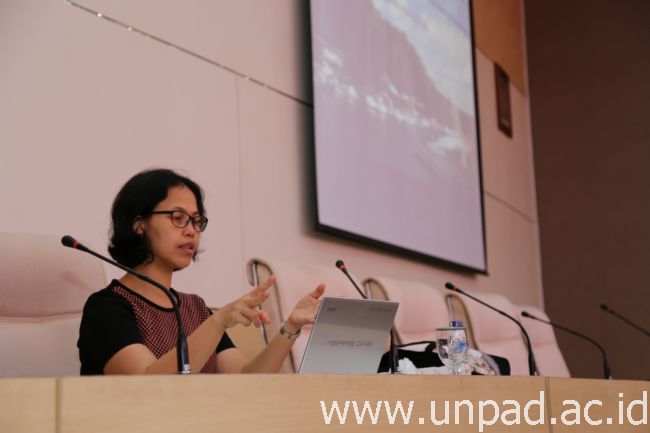
Lecturer of Faculty of Law Universitas Padjadjaran, Dr. Agus Karsona, said that May Day still need to be celebrated as workers day internationally. But workers who want to demand their rights should not have done so through demonstrations. The protest against the employer can be done through discussion.
“I believe discussion will be more effective, rather than aggression,” said Agus during his lecturer in a discussion entitled “Measuring the Profit and Loss, May Day Rallies” which was held by Unpad and Forum Communication of Sumedang Journalist (Forkowas) with local government of subdistrict Jatinangor in hall of village office of Hegarmanah Jatinangor, Tuesday (26/04).
Besides Dr. Agus, the event also featured speakers of Dadang Rohmawan (DPRD Commission C/Sumedang), Suryana Wijaya (Chairman of the Sumedang Labor Association/Gabus), and Asep Saepudin (Head of Supervision and Employment Assurance).
During the event, Dr. Agus explained that in the beginning May 1 was celebrated as Labor Day to commemorate the hard struggle of the workers in the United States around 1800s to demand working hours reduction, from 19-20 hours to 8 hours. Until now, May Day is celebrated as labor celebration internationally.
“As a reaffirmation of struggle against exploitation,” said Dr. Agus who is a lecturer in the field of labor law.
Dr. Agus also appreciated labor, which he described as a development vehicle. “So they are necessary in existence,” he said.
In addition to demands through discussions, May Day commemoration could be done through social action, such as a blood donor and charity. The same notion was mentioned by Head of Jatinangor Subdistrict Wasman. He stated that in some countries May Day is celebrated through a variety of social action to strengthen the family ties among the workers.
“Therefore family ties and ties of solidarity among workers is totally forged, intertwined,” he said.*
Laporan oleh: Artanti Hendriyana / eh